
Observed demonstration
An assessor observes a defined task or scenario against published criteria.
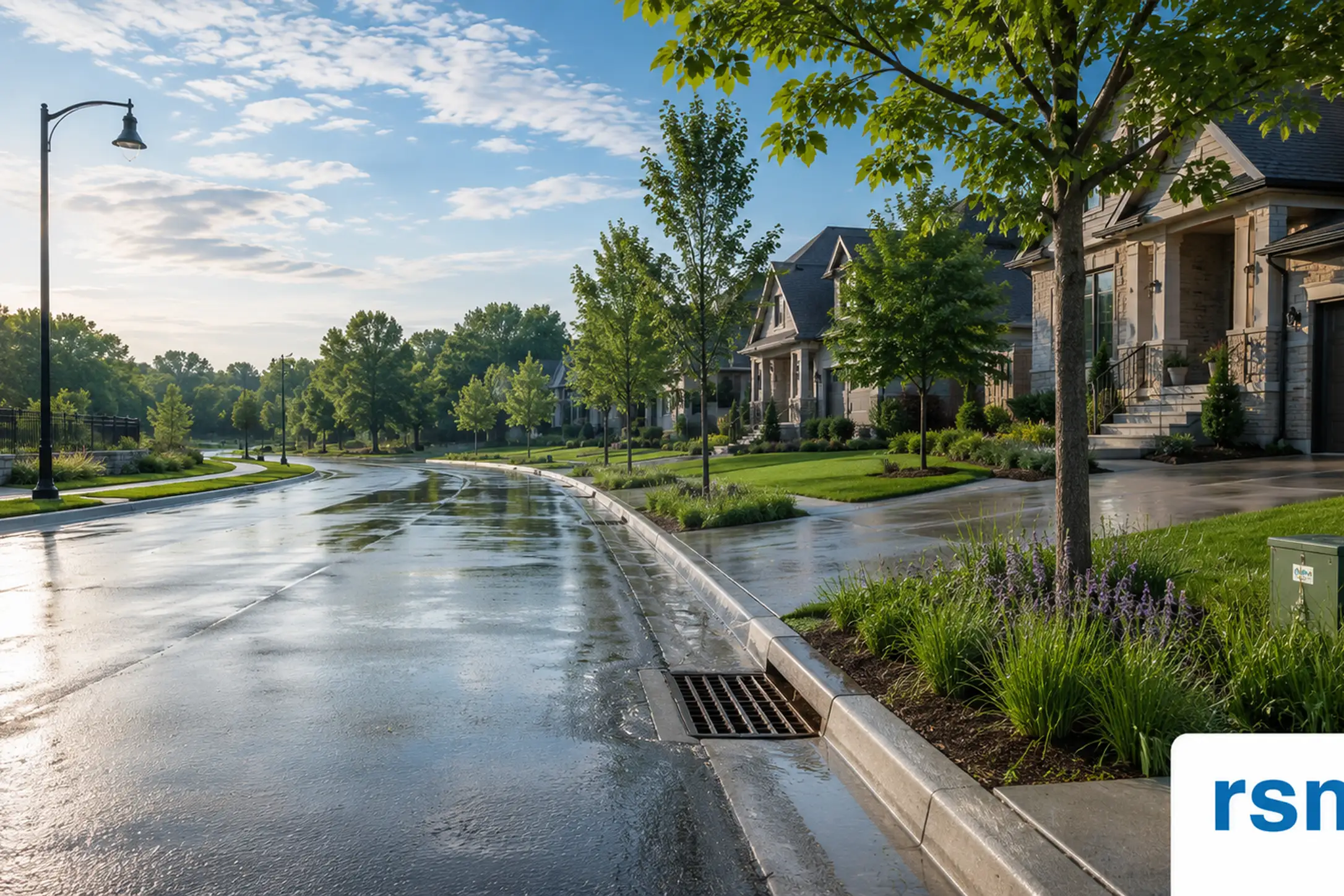
Applied competence
Practical assessment examines whether a candidate can apply knowledge, document work and communicate limitations within the credential’s scope.
Evidence routes
An assessor observes a defined task or scenario against published criteria.
A controlled environment tests planning, diagnosis, documentation or communication safely.
Records show the candidate’s role, decisions, outputs and review context.
Structured questions test reasoning, limitations and response to changing conditions.
Practical criteria

Frequently asked questions
Not necessarily. Depending on the credential, evidence may come from controlled demonstrations, simulations, observed work or verified project records.
Yes where the evidence is attributable, relevant and verifiable, and where the pathway permits it.
No. Credential assessment does not replace required inspections or authority decisions.
The candidate may be asked for clarification, additional evidence or reassessment according to the final policy.
Published: July 19, 2026 Last reviewed: July 19, 2026
RSM credentials are education-based professional-development pathways. They do not replace licences, permits, statutory credentials, professional engineering authority, municipal approval or employer responsibility. Planned requirements and fees may be refined before applications or payments open.
Next steps
Review scope and requirements before deciding whether to apply.