
Confirm the pathway
Protect openings and low points actually exposed to surface water.
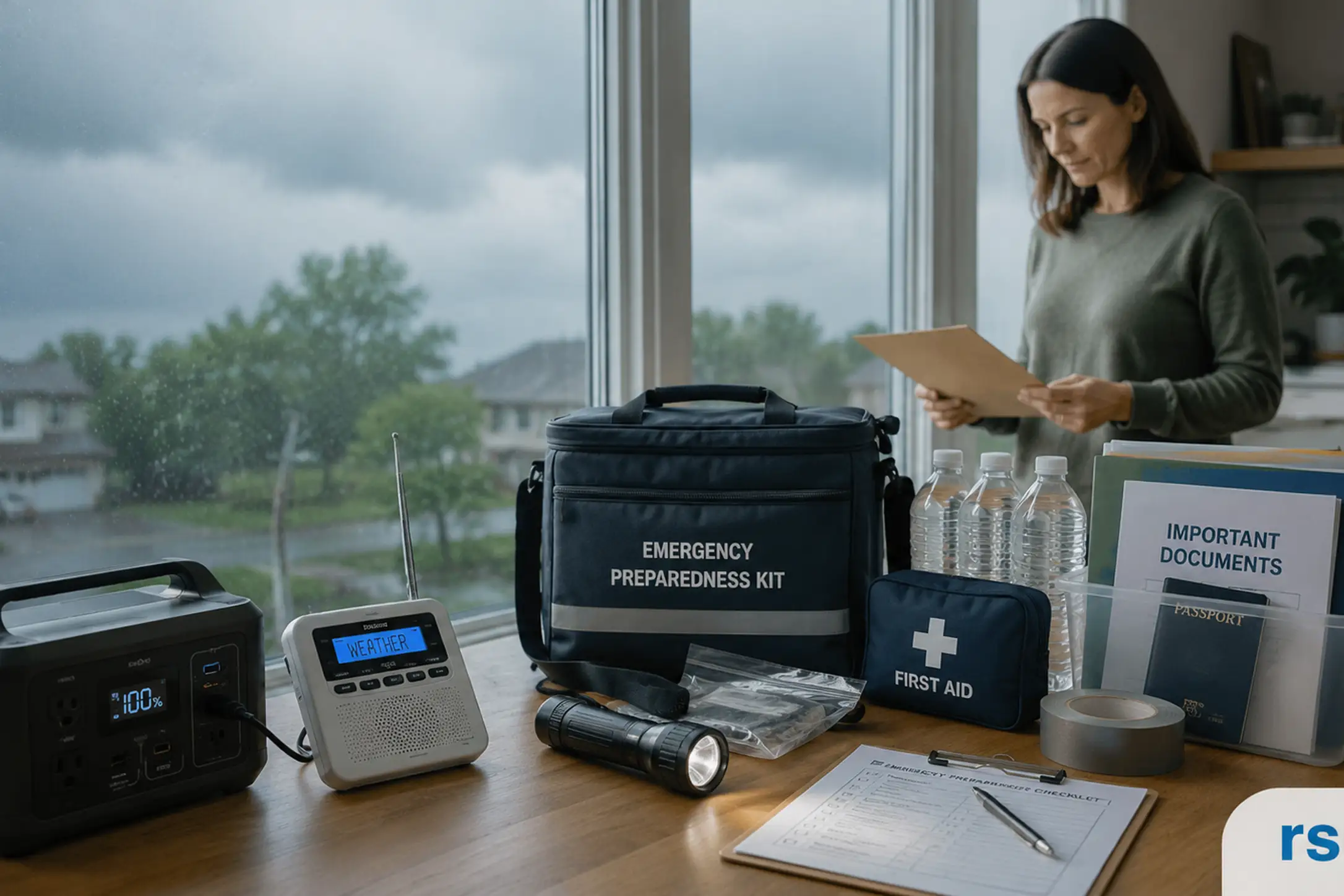
Opening protection
Barriers can reduce water entry at defined openings only when loads, leakage, deployment, drainage and safe egress are addressed.
Who this is for
Independent education and standards-informed practice guidance.
Law, code, municipal rules, permits, manufacturer instructions and qualified professional decisions remain controlling.
Owners, designers, contractors, inspectors and authorities retain assigned duties.
Core principles
Protect openings and low points actually exposed to surface water.
Water depth creates pressure on walls, doors, slabs and adjacent routes.
Deployable protection needs trained people, storage, time and safe escape.
Leakage, rainfall and groundwater may still require drainage or pumping.
Practice detail
Permanent doors, raised thresholds and integrated barriers reduce deployment dependence but affect everyday access. Deployable panels or gates preserve use but depend on forecast, staffing, components and installation under pressure.
Practice detail
Blocking an opening is not safe at any depth by default. Review product limits, substrate, anchors, seals, adjacent construction, egress, accessibility and water transfer. Critical buildings may need professional design.
Practice detail
Label components, keep diagrams, store them where floodwater cannot block access and practise deployment. Inspect seals, fasteners, tracks and damage. Define authorization, notification and removal.
Working sequence
Map pathways and openings.
Review loads, structure and egress.
Choose permanent or deployable controls.
Train, label and practise.
Inspect, store and update the plan.
Avoidable failures
Related pathways
Official and institutional references
RSM summarizes concepts for education. Use current official documents, local authorities and qualified professionals for project decisions.
Frequently asked questions
No. It reduces entry at defined openings within its limits.
Use official warnings, site conditions and safe deployment time rather than waiting for water at the opening.
Potentially, especially with significant depth, opening size or consequence.
Yes when occupants or staff are expected to install it.
Standards-informed practice
Connect knowledge with competent roles, approvals, records, inspection, maintenance and transparent communication.
Published: July 19, 2026 Last reviewed: July 19, 2026
RSM provides independent educational and standards-informed guidance. Confirm current legal, code, municipal, professional, product and project requirements with the appropriate authority and qualified people.
Next steps
Move from a single topic to the wider guidance, evidence and feedback process.