
Risk before product
Trace likely water pathways and consequences before recommending equipment.
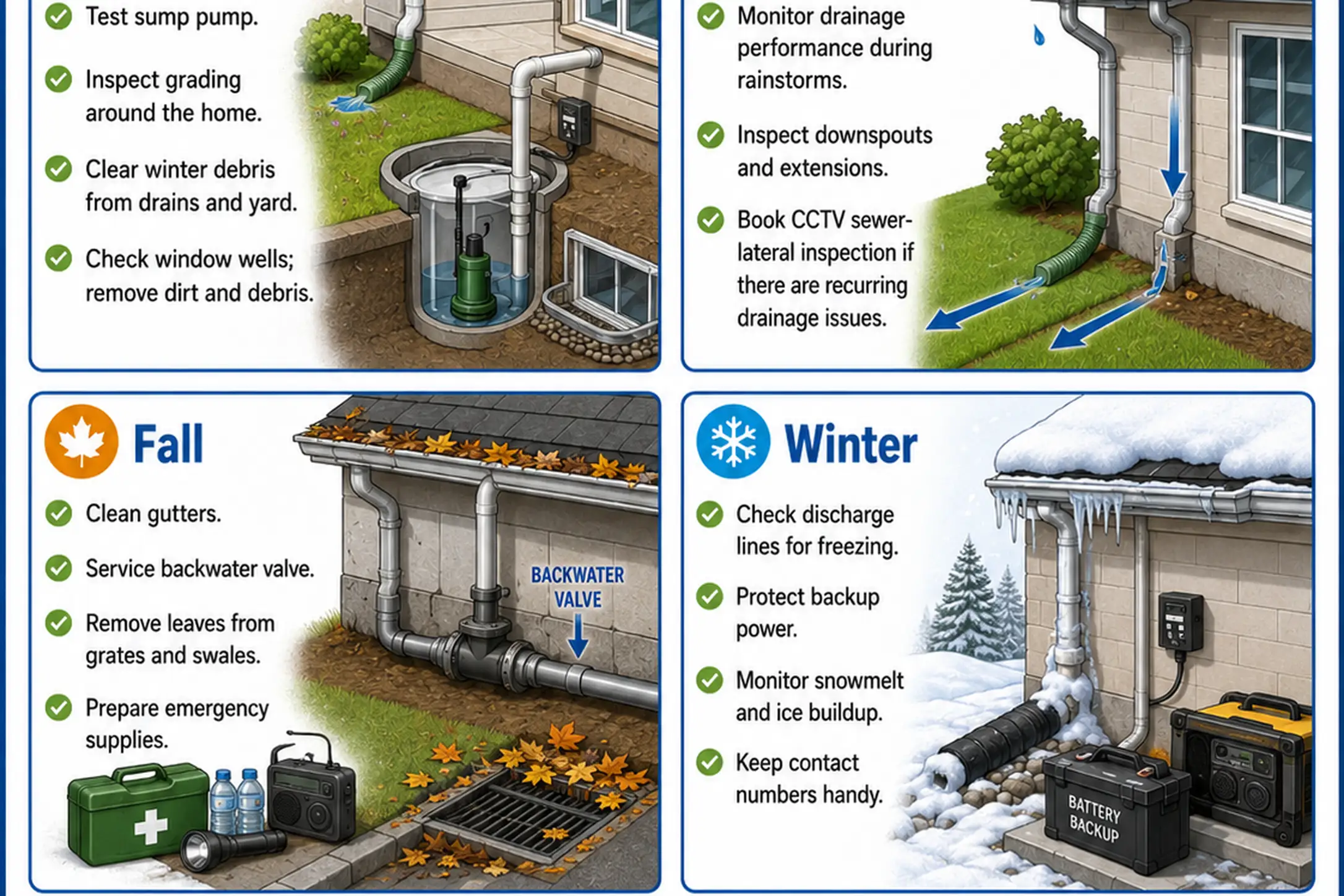
Practice framework
A risk-first approach that connects technical suitability, competent work, verification, owner communication and long-term maintenance.
Who this is for
Independent education and standards-informed practice guidance.
Law, code, municipal rules, permits, manufacturer instructions and qualified professional decisions remain controlling.
Owners, designers, contractors, inspectors and authorities retain assigned duties.
Core principles
Trace likely water pathways and consequences before recommending equipment.
Combine source control, drainage, plumbing protection, monitoring, preparedness and recovery.
Keep access, testing, cleaning, replacement and records practical.
Explain benefits, limits and external approvals clearly.
Practice detail
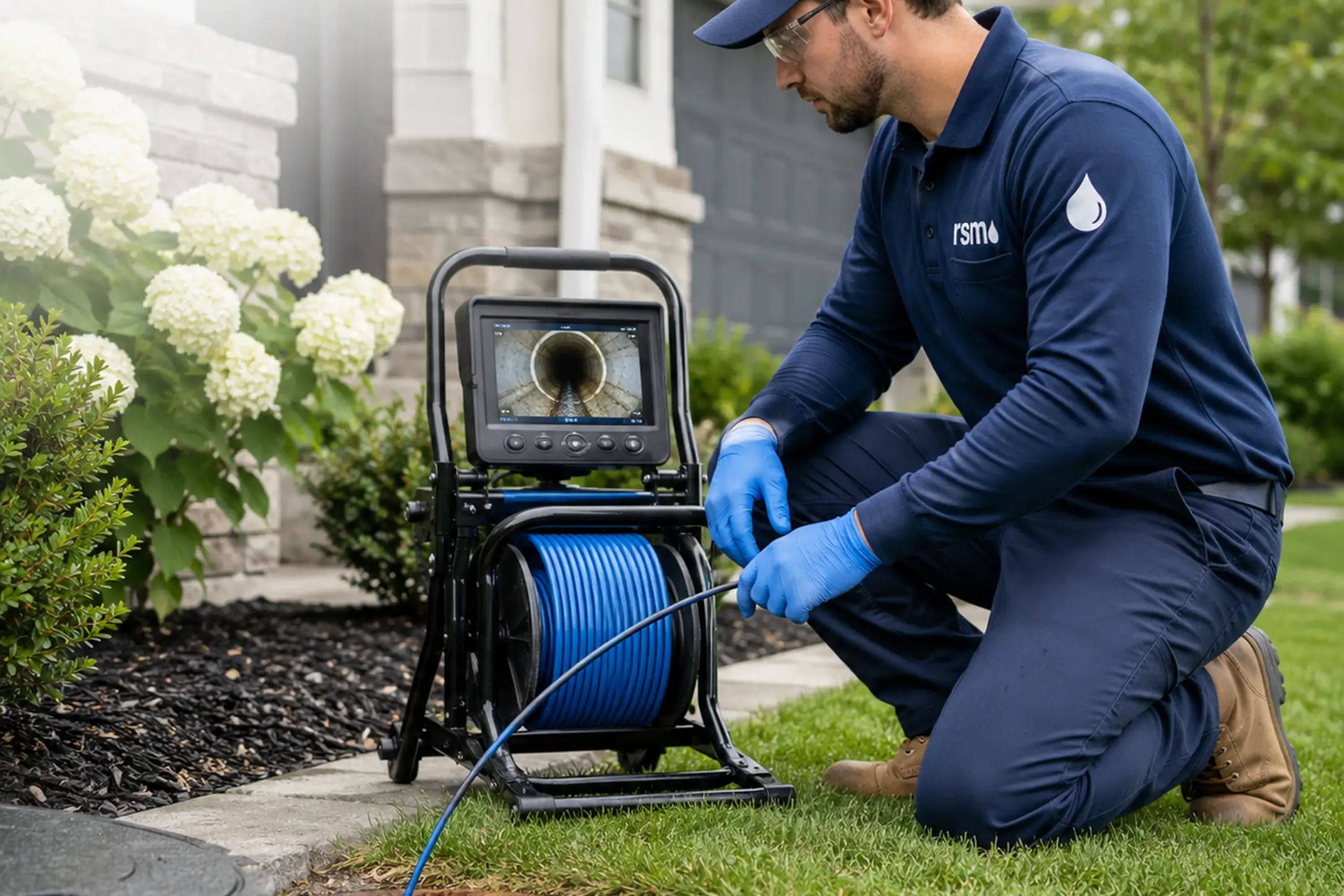
A useful assessment records building and site context, flooding history, drainage and sewer conditions, below-grade spaces, critical equipment, occupants and maintenance. It separates observations from assumptions and identifies when CCTV, survey, engineering or municipal information is still required.
Practice detail
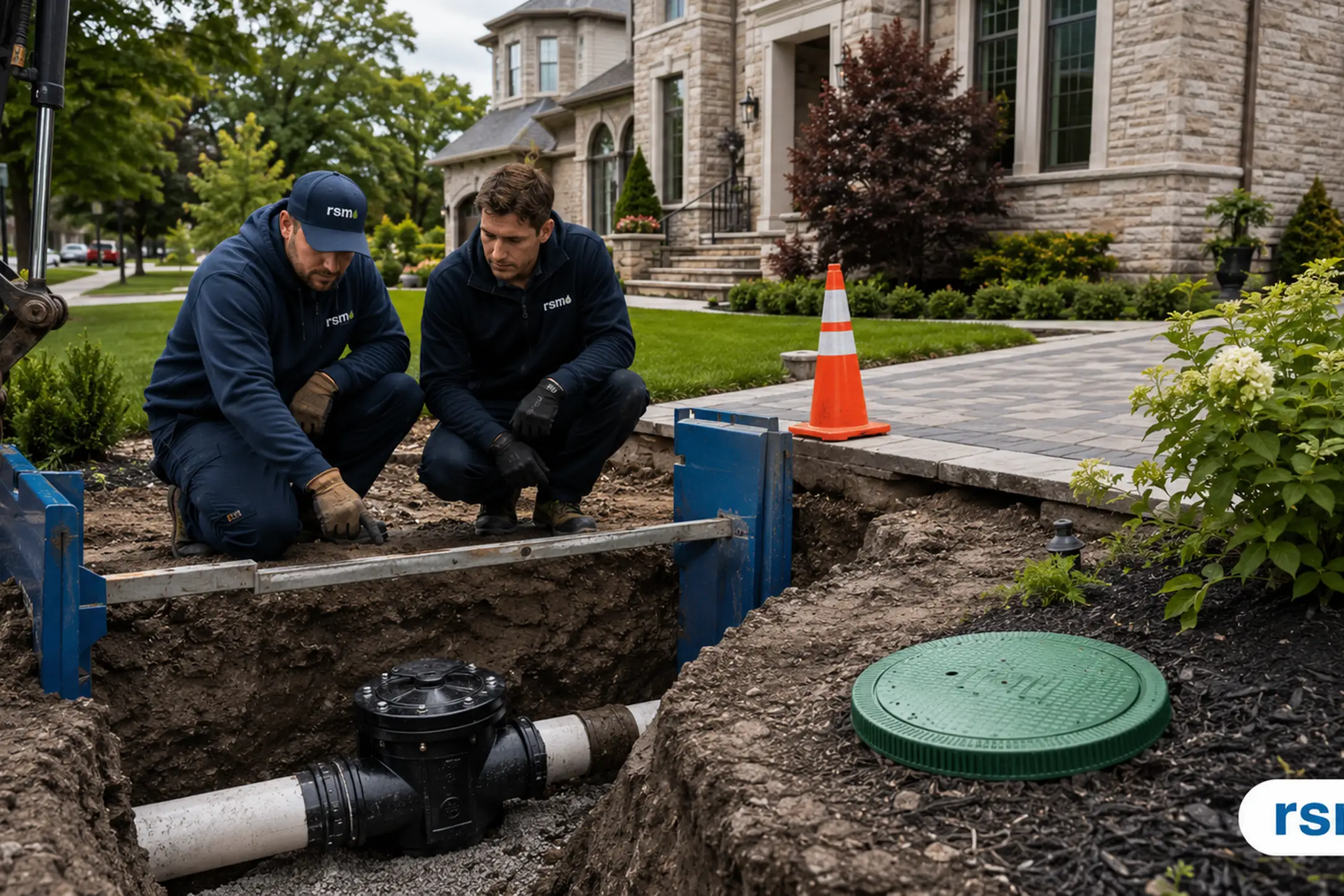
Best practice defines hold points before excavation, pipe modification, concealment, backfill and energization. Record equipment, departures from plan, inspection status and corrective action before important conditions disappear from view.

Practice detail
Owners need purpose, limits, emergency steps, testing schedules, access information, replacement components and warranty records. Major rainfall, outages, blockages, renovations and changes in use should trigger review.
Working sequence
Assess risk and consequence.
Confirm requirements and roles.
Choose compatible layered controls.
Verify work at hold points.
Handover, maintain and review after change.
Avoidable failures
Related pathways
Official and institutional references
RSM summarizes concepts for education. Use current official documents, local authorities and qualified professionals for project decisions.
Frequently asked questions
No. It means proportionate controls based on risk, consequence, feasibility, requirements and lifecycle responsibility.
Sometimes. Layered controls can address different pathways and provide redundancy when interactions are understood.
Applicable law, the authority having jurisdiction, project scope and qualified professionals determine that.
At milestones and after flooding, major storms, outages, renovations or equipment changes.
Standards-informed practice
Connect knowledge with competent roles, approvals, records, inspection, maintenance and transparent communication.
Published: July 19, 2026 Last reviewed: July 19, 2026
RSM provides independent educational and standards-informed guidance. Confirm current legal, code, municipal, professional, product and project requirements with the appropriate authority and qualified people.
Next steps
Move from a single topic to the wider guidance, evidence and feedback process.