
Identity
Use the candidate’s own verified identity.
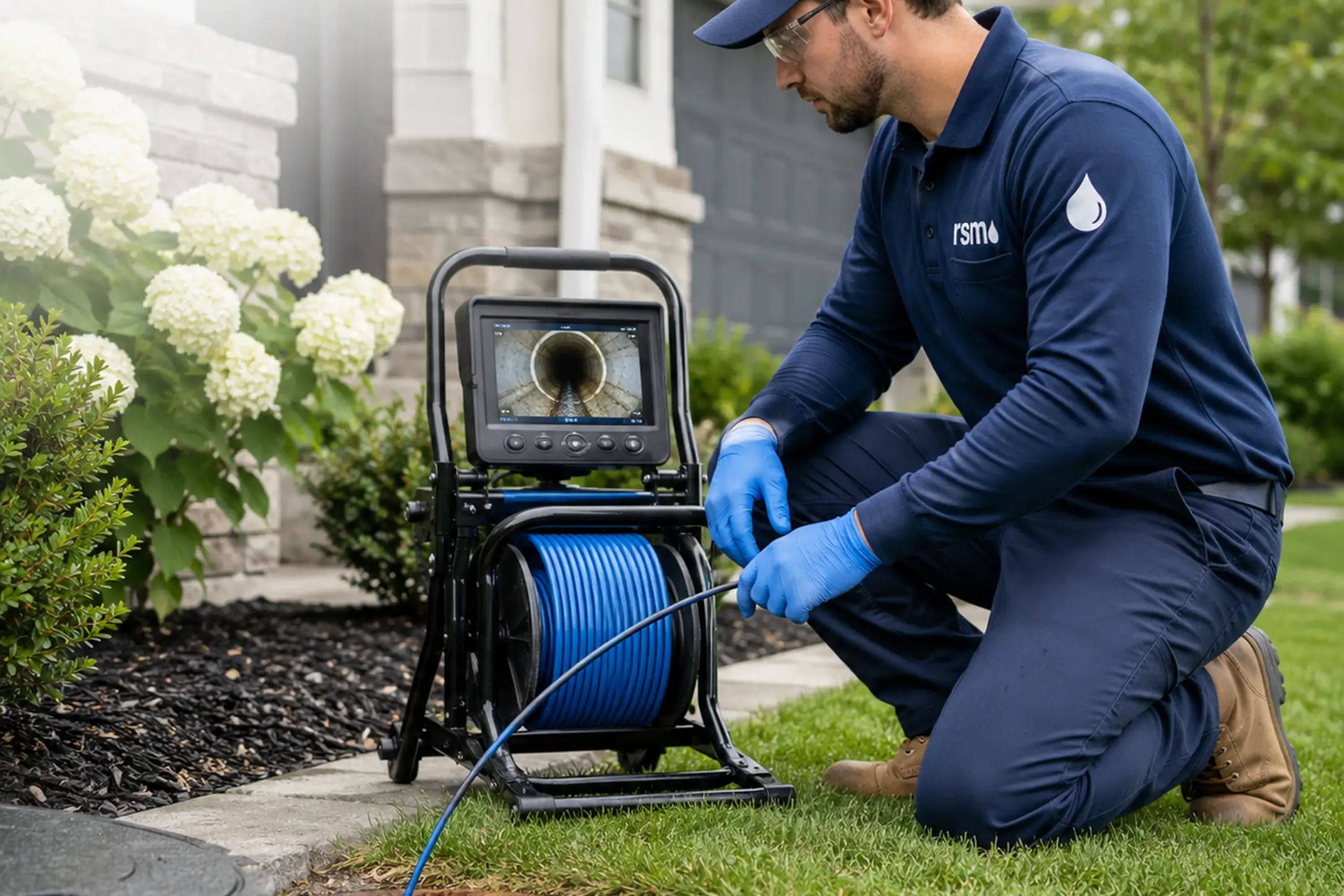
Knowledge assessment
The planned examination system will map questions to published competencies, protect exam security and provide clear result and reassessment rules.
Examination lifecycle
Candidate responsibilities
Use the candidate’s own verified identity.
Use only references and tools permitted in the instructions.
Do not copy, share, solicit or reconstruct protected questions.
Meet remote or test-centre requirements before the appointment.
Frequently asked questions
The candidate handbook will identify permitted references, tools and exam conditions for each pathway.
RSM plans to use a documented standard-setting process rather than an arbitrary percentage.
The planned policy permits reassessment after an applicable waiting period and fee, subject to attempt and security rules.
Competency domains and sample formats may be published, but live questions and protected exam content will remain secure.
Published: July 19, 2026 Last reviewed: July 19, 2026
RSM credentials are education-based professional-development pathways. They do not replace licences, permits, statutory credentials, professional engineering authority, municipal approval or employer responsibility. Planned requirements and fees may be refined before applications or payments open.
Next steps
Review scope and requirements before deciding whether to apply.