
Identify the pathway
Separate sanitary surcharge, storm surcharge, groundwater, runoff, roof drainage and plumbing failures.

Risk-informed choice
A product is appropriate only when its purpose, limits and operating conditions match the building’s actual risk.
Who this is for
Independent education and standards-informed practice guidance.
Law, code, municipal rules, permits, manufacturer instructions and qualified professional decisions remain controlling.
Owners, designers, contractors, inspectors and authorities retain assigned duties.
Core principles
Separate sanitary surcharge, storm surcharge, groundwater, runoff, roof drainage and plumbing failures.
Critical equipment, vulnerable occupants and continuity affect priorities.
Services, site constraints, permits, electrical capacity and discharge rules change options.
Compare testing, maintenance, battery replacement, deployment and failure response.
Practice detail
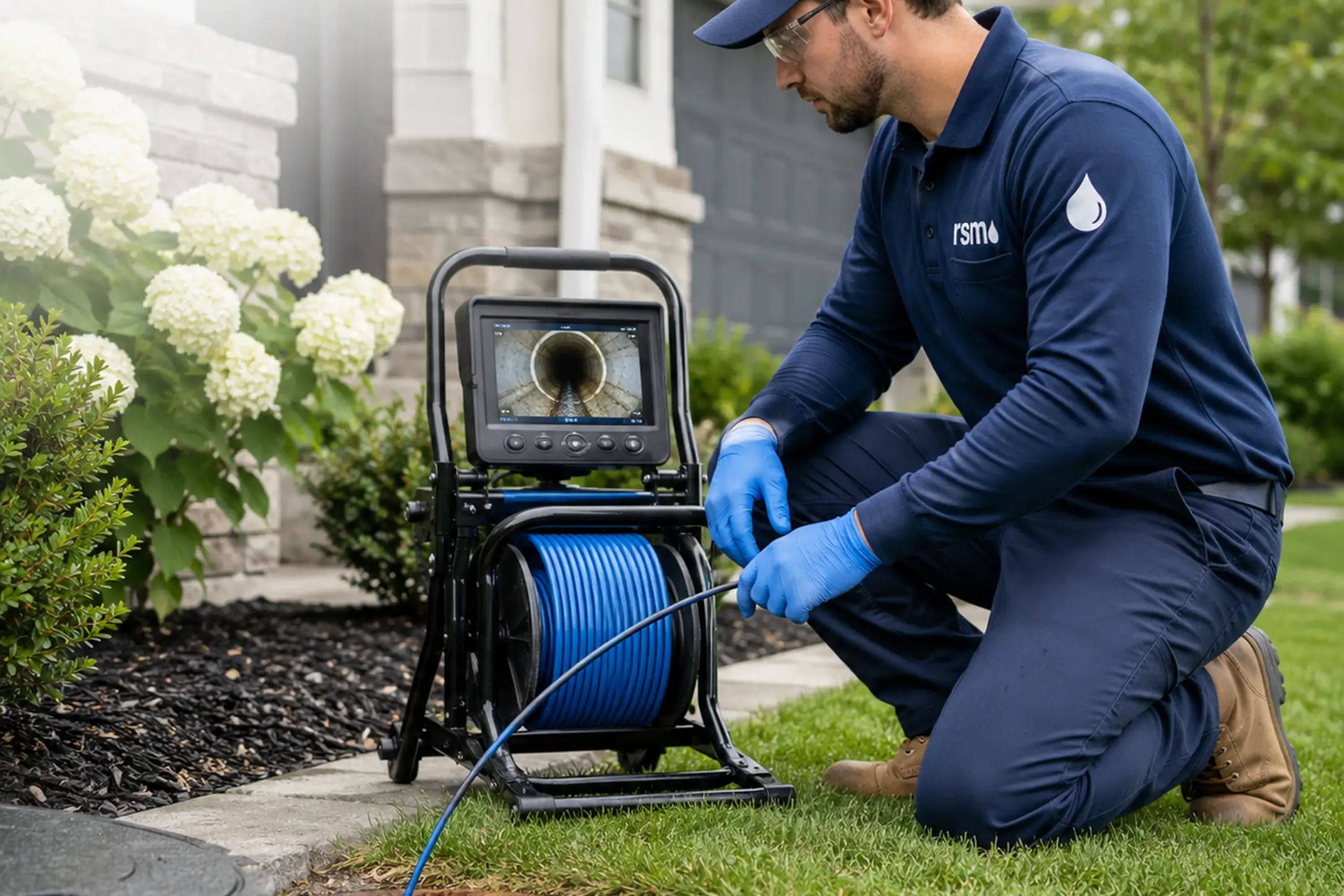
Begin with event history, municipal information, grades, drainage, service condition, below-grade fixtures, sump operation, power reliability and access. Develop options for the identified pathway rather than copying a neighbour or rebate list.
Practice detail
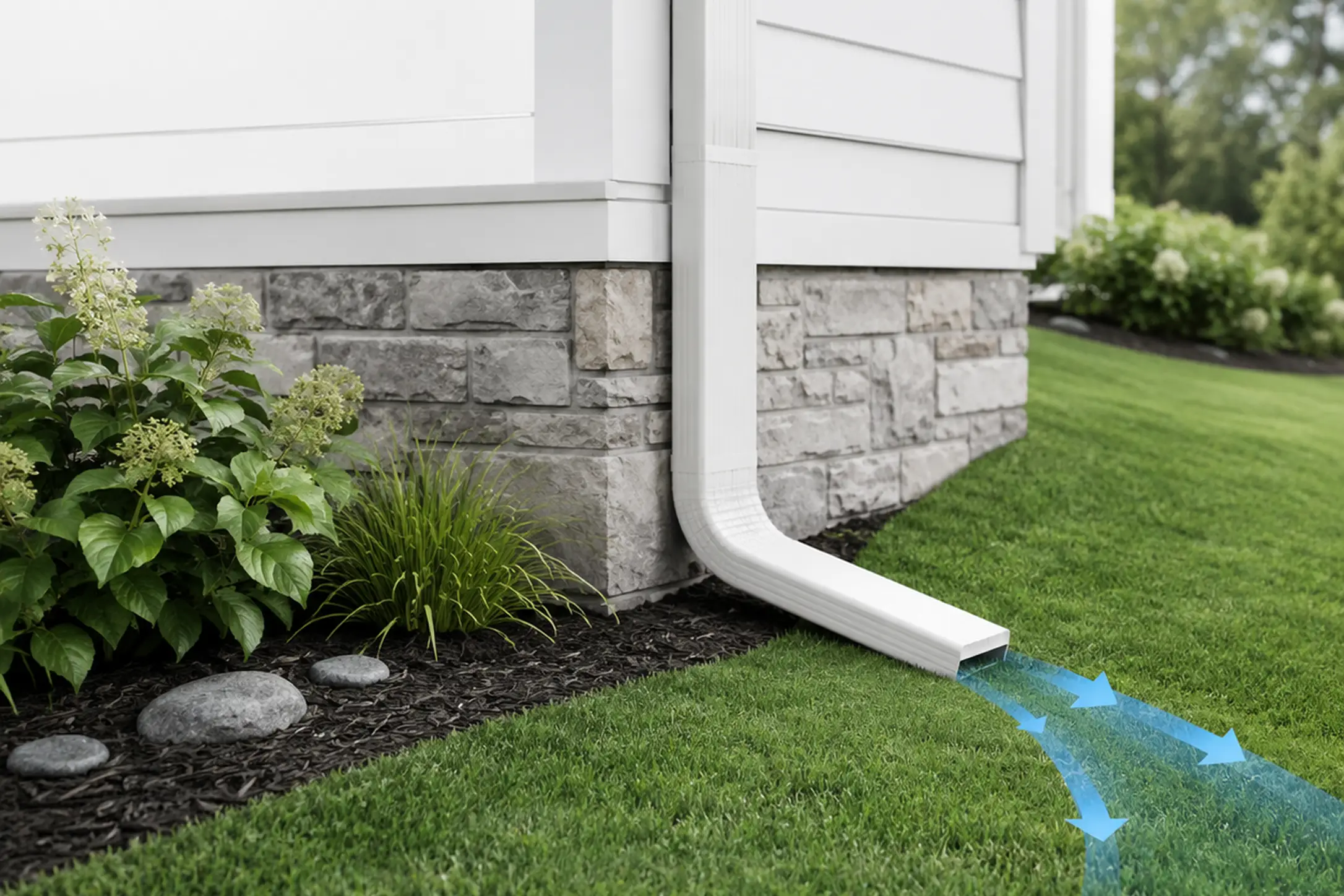
A valve can change fixture use during activation. A pump depends on collection, discharge and power. A barrier can transfer water or create load. Alarms require response. Evaluate normal operation, failure modes and maintenance.
Practice detail
Rank measures by risk reduction, feasibility, consequence, cost and maintainability. Identify immediate maintenance, near-term projects and long-term capital work, and record residual risk.
Working sequence
Define pathway and consequence.
Collect site and authority information.
Develop compatible options.
Compare lifecycle and failure modes.
Document selection and residual risk.
Avoidable failures
Related pathways
Official and institutional references
RSM summarizes concepts for education. Use current official documents, local authorities and qualified professionals for project decisions.
Frequently asked questions
No. Suitability depends on pathway, building, consequence, approvals and maintenance.
Often, when safe and compatible, but not when they delay urgent controls.
No. Funding eligibility and technical suitability are separate.
The risk that remains after selected measures are implemented.
Standards-informed practice
Connect knowledge with competent roles, approvals, records, inspection, maintenance and transparent communication.
Published: July 19, 2026 Last reviewed: July 19, 2026
RSM provides independent educational and standards-informed guidance. Confirm current legal, code, municipal, professional, product and project requirements with the appropriate authority and qualified people.
Next steps
Move from a single topic to the wider guidance, evidence and feedback process.