
Define inspection authority
Clarify whether the inspection is regulatory, contractual, programme-based, owner-directed or educational.
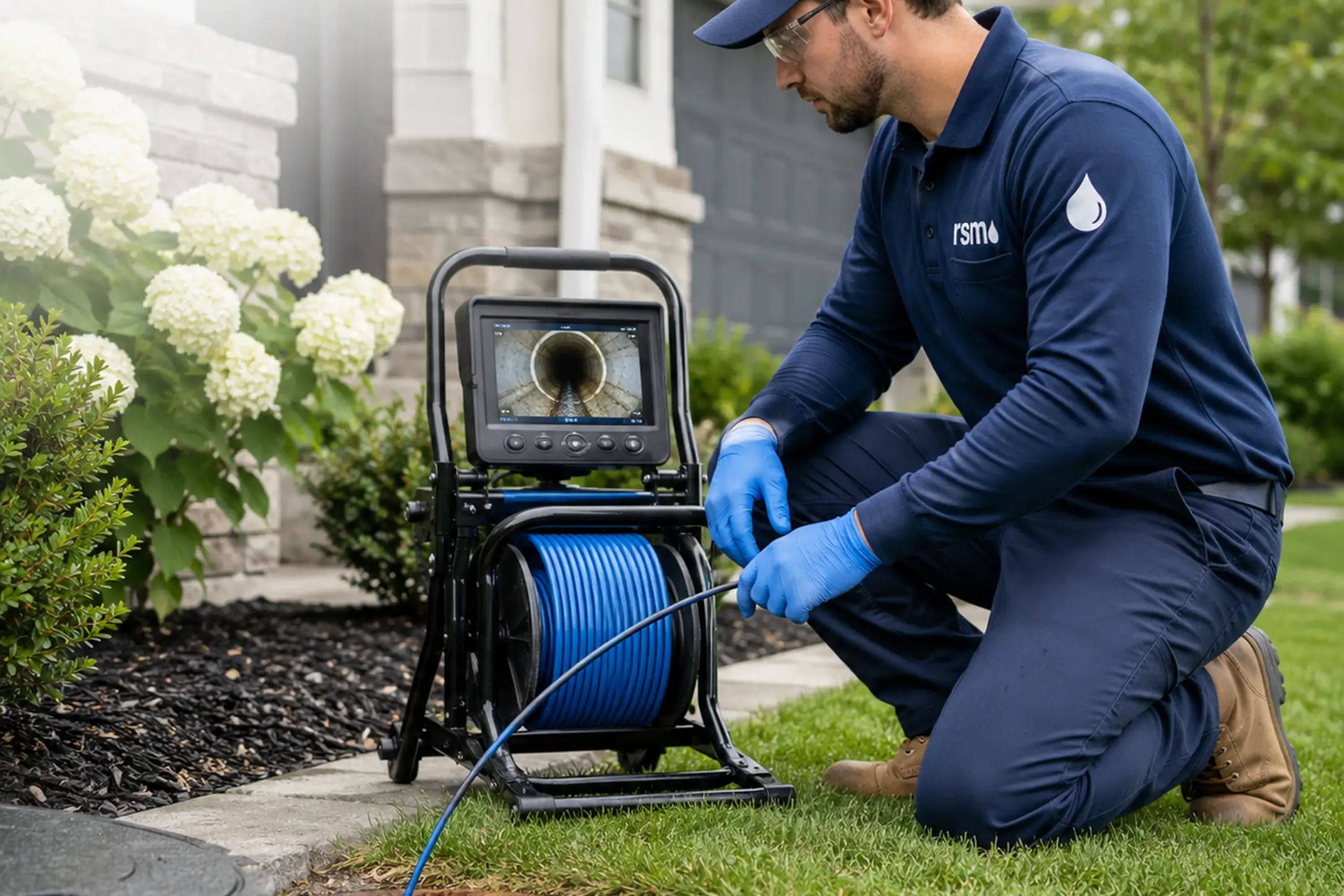
Inspection practice
A consistent inspection process separates observation, evidence, test results, limitations and corrective action.
Who this is for
Independent education and standards-informed practice guidance.
Law, code, municipal rules, permits, manufacturer instructions and qualified professional decisions remain controlling.
Owners, designers, contractors, inspectors and authorities retain assigned duties.
Core principles
Clarify whether the inspection is regulatory, contractual, programme-based, owner-directed or educational.
Record what was observed, measured, tested or provided.
Separate safety issues, nonconforming work, incomplete evidence and maintenance recommendations.
Corrective work should be rechecked before it is closed.
Practice detail
A protocol can include pre-work review, material verification, rough-in, pre-concealment hold points, final commissioning and maintenance review. Required stages depend on system, risk, permit and contract.
Practice detail
Photos should include orientation and scale where useful. Preserve measurements, device identifiers, video, test conditions and witness information. Reports must state inaccessible areas, unavailable records and untested functions.
Practice detail
Each deficiency needs description, location, evidence, significance, responsible party, required response and status. Avoid vague labels such as failed without explaining the criterion.
Working sequence
Confirm scope and authority.
Review documents and conditions.
Inspect and test at stages.
Issue evidence-based findings.
Verify correction and close records.
Avoidable failures
Related pathways
Official and institutional references
RSM summarizes concepts for education. Use current official documents, local authorities and qualified professionals for project decisions.
Frequently asked questions
No. It may be regulatory, contractual, quality-control, maintenance or educational.
Only when safe, authorized, within scope and supported by the product or procedure.
Identify the location, reason and effect on the conclusion.
Documented correction plus required reinspection, test or authority acceptance.
Standards-informed practice
Connect knowledge with competent roles, approvals, records, inspection, maintenance and transparent communication.
Published: July 19, 2026 Last reviewed: July 19, 2026
RSM provides independent educational and standards-informed guidance. Confirm current legal, code, municipal, professional, product and project requirements with the appropriate authority and qualified people.
Next steps
Move from a single topic to the wider guidance, evidence and feedback process.